
"Non-toxic" isn't a regulated term, which is exactly why cleaning aisle marketing can be so confusing. A bottle can say "natural" and still hide synthetic fragrance, dyes, and preservatives behind a single word: fragrance. The good news? A handful of brands have made the swap genuinely easy — and effective enough that you won't miss the harsh stuff.
Below, we break down our five favorite non-toxic cleaners, what each one is best for, and how to choose the right ones for your home. Prices change constantly, so rather than quote numbers that go stale, we link you straight to Amazon to check the current price yourself.
In this guide
- What makes a cleaner "non-toxic"?
- 1. Branch Basics Concentrate — best all-in-one
- 2. Blueland Clean Essentials Kit — best low-waste
- 3. Puracy Multi-Surface Cleaner — best everyday spray
- 4. Aunt Fannie's Vinegar Wash — best for floors
- 5. ATTITUDE All-Purpose Spray — best EWG-verified
- How to choose & make the switch
- Frequently asked questions
What makes a cleaner "non-toxic"?
When we call a product non-toxic, we're looking for cleaners that skip the ingredients most commonly flagged by researchers and organizations like the Environmental Working Group. In practice, that means avoiding:
- Synthetic fragrance — a catch-all that can hide dozens of undisclosed chemicals, including phthalates.
- Quaternary ammonium compounds ("quats") and other harsh disinfectant residues.
- Chlorine bleach and ammonia, which irritate airways and shouldn't be mixed.
- Dyes and optical brighteners that add nothing but color.
Instead, we favor plant-derived surfactants, simple acids like citric acid, essential-oil scents (or none at all), and brands that publish a full ingredient list. Every pick below clears that bar.
1. Branch Basics Concentrate
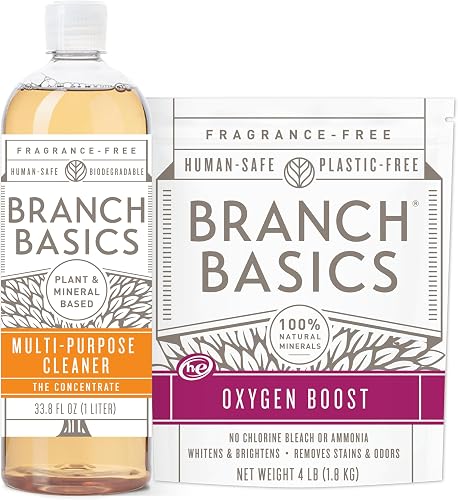
Best all-in-one
Branch Basics Concentrate
One bottle. Your whole house.
This plant- and mineral-based concentrate dilutes into all-purpose spray, streak-free glass cleaner, bathroom scrub, and even laundry — so you can retire a cabinet full of single-use bottles. It's fragrance-free, biodegradable, and gentle enough for homes with kids and pets.
2. Blueland Clean Essentials Kit

Best low-waste
Blueland Clean Essentials Kit
Just add water, skip the plastic.
Blueland's clever tablet system turns a reusable "forever bottle" plus a tablet and tap water into effective multi-surface, glass, and bathroom cleaners. It's one of the easiest ways to cut single-use plastic without sacrificing performance — and the refills store flat in a drawer.
3. Puracy Natural Multi-Surface Cleaner
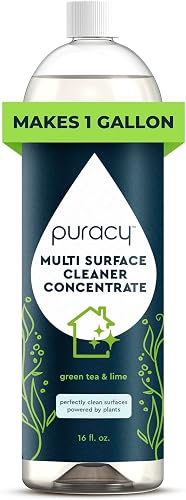
Best everyday spray
Puracy Natural Multi-Surface Cleaner
Grab-and-go for daily messes.
If you just want a ready-to-use spray that smells lovely (thanks to green tea and lime essential oils, not synthetic fragrance), Puracy is a reliable pick. It's plant-based, cuts grease on counters, glass, and stainless steel, and is developed to be safe around the whole family.
4. Aunt Fannie's Vinegar Wash

Best for floors
Aunt Fannie's Vinegar Wash
Old-fashioned vinegar, beautifully done.
Vinegar is a classic non-toxic cleaner, and Aunt Fannie's makes it easy with a botanical-scented, apple-cider-vinegar-based formula you can dilute for floors or use straight on counters. It's a wonderful choice for sealed hard floors where you want clean without a chemical film.
5. ATTITUDE All-Purpose Cleaner Spray

Best EWG-verified
ATTITUDE All-Purpose Cleaner Spray
Independently verified, radically transparent.
ATTITUDE is EWG Verified — meaning a third party has vetted every ingredient against strict safety standards — and made with 94% plant- and mineral-based ingredients. It's vegan, cruelty-free, and comes in scent options gentle enough for kitchens, counters, and homes with little ones underfoot.
How to choose & make the switch
You don't need to overhaul everything at once. The most sustainable way to go low-tox is to replace products as they run out. Start with the cleaner you use most — usually an all-purpose spray — then work outward to glass, bathroom, and floors.
A few quick pointers as you shop:
- Read past the front label. "Natural" and "green" aren't regulated. Flip to the full ingredient list.
- Watch for the word "fragrance." If a brand won't disclose what's in its scent, that's a flag. Look for "fragrance-free" or essential-oil-based scents.
- Concentrates go further. They cost less per use and cut packaging waste — a win for your budget and the planet.
- Keep one microfiber set. Great cloths do half the work, so you need less product overall.
Frequently asked questions
Are non-toxic cleaners actually as effective as conventional ones?
For everyday cleaning — grease, grime, dust, and general messes — yes. Plant-based surfactants lift dirt just fine. The one nuance is disinfecting: if you specifically need to kill germs (say, during illness), look for an EPA-registered disinfectant and follow its dwell-time instructions, since "cleaning" and "disinfecting" are different jobs.
Is vinegar safe on every surface?
No — skip vinegar on natural stone like marble and granite, unsealed grout, and some hardwood finishes, as the acidity can etch or dull them. It's excellent on glass, sealed tile, and most counters.
Do I need separate cleaners for each room?
Not really. A good all-purpose cleaner or concentrate handles most of the house. You might add a dedicated floor wash and a glass formula, but that's often all you need.
Why don't you show prices?
Prices on Amazon change frequently, and we'd rather send you to check the current, accurate price than quote a number that could be out of date the next day. Just tap "Check Price on Amazon" on any product above.
The bottom line
Building a non-toxic cleaning routine isn't about fear — it's about choosing simpler, more transparent products that do the job well. Start with one swap, notice how much fresher your home feels without synthetic fragrance, and go from there. Any of the five picks above is a lovely place to begin.