
The material is everything here. PVC (vinyl) is the cheapest and most common mat material, and it's also the one responsible for that sharp plastic smell fresh out of the box — a sign of off-gassing and the phthalate softeners PVC relies on. Natural rubber, cork, and genuine TPE all skip that entirely, which is why every mat below uses one of the three.
We picked a mix of natural rubber classics, one cork option for hot yoga, and a couple of budget-friendly TPE mats from brands with real review histories — since material alone doesn't guarantee a mat holds up. Prices shift constantly, so we link you straight to Amazon to check the current price rather than quoting numbers that go stale.
In this guide
What to look for in a non-toxic yoga mat
- Material. Natural rubber and cork are the top tier; a clearly labeled TPE mat is a reasonable step up from PVC if budget is the priority.
- OEKO-TEX or similar certification. This means the mat has actually been tested for a specific list of harmful substances, not just marketed as "eco."
- Thickness for your practice. 3–5mm suits most styles; go thicker only if you need extra joint cushioning, since very thick mats can hurt balance poses.
- Closed-cell vs. open-cell surface. Closed-cell (most natural rubber mats) resists sweat and bacteria better; open-cell grips better the sweatier you get but needs more frequent cleaning.
1. Manduka eKO Yoga Mat

Best overall
Manduka eKO Yoga Mat
Natural rubber from a brand studios actually stock.
The eKO is Manduka's natural-rubber line — not to be confused with their PVC-based PRO mat — and it's built for exactly the kind of daily practice this guide is about. Nearly 700 ratings back up the soft, next-to-skin texture, and the closed-cell surface keeps sweat and odor from soaking in over time.
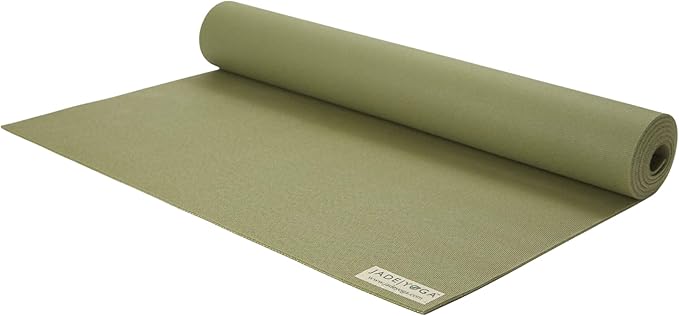
2. JadeYoga Harmony Yoga Mat
Best grip
JadeYoga Harmony Yoga Mat
Open-cell natural rubber that grips better the harder you work.
Jade is a US-made natural rubber specialist with over 5,700 ratings on this exact mat, and its open-cell surface is genuinely stickier underfoot than most closed-cell rubber mats — a real advantage in a sweaty vinyasa flow. Jade also plants a tree for every mat sold, if that matters to you.
3. Y O Gayo Premium Yoga Cork Mat

Best for hot yoga
Y O Gayo Premium Yoga Cork Mat
Naturally antimicrobial cork over a natural rubber base.
Cork is naturally antimicrobial, which matters a lot on a mat that gets hot and sweaty, and this one pairs it with a natural rubber base rather than the cheaper foam backing some cork mats use. Alignment lines are printed right into the surface for cueing your poses.
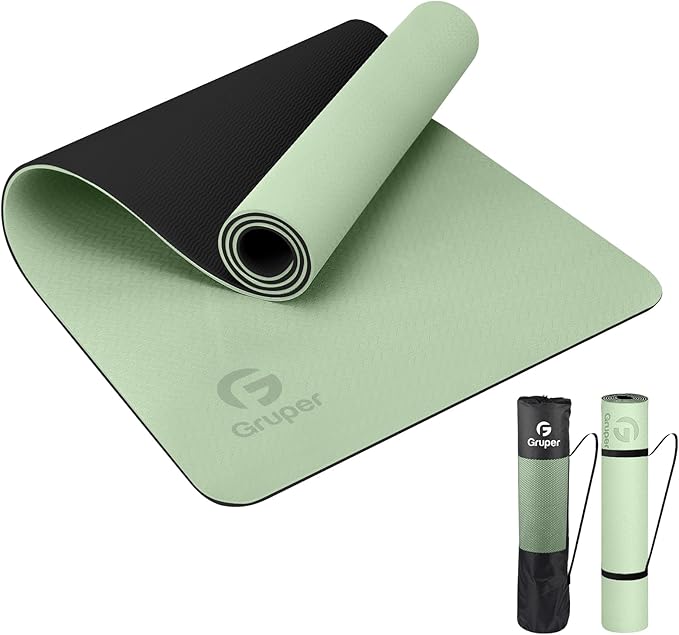
4. Gruper Eco-Friendly Yoga Mat
Best budget
Gruper Eco-Friendly Yoga Mat
Over 10,000 ratings on a genuinely eco-friendly TPE build.
This is the mat to start with if you're new to shopping outside PVC — TPE is phthalate-free and a real step up from vinyl, even if it isn't as premium as natural rubber. Over 10,000 ratings and a carrying strap included make it an easy, low-risk first swap.
5. UMINEUX Extra Thick Yoga Mat

Best cushioning
UMINEUX Extra Thick Yoga Mat, 10mm
A natural rubber and TPE blend at double the usual thickness.
At 10mm, this is roughly double the thickness of a standard mat, which makes a real difference for anyone doing floor work with sensitive knees or wrists. The blend of natural rubber and TPE keeps it out of pure-PVC territory while staying affordable.
Frequently asked questions
What's wrong with a regular PVC yoga mat?
Most budget mats are PVC (vinyl), which is why a brand-new mat often has that strong plastic smell — that's off-gassing, and PVC manufacturing also relies on phthalates as softeners. It isn't dangerous in the sense of an emergency, but it's exactly the kind of everyday exposure a non-toxic swap is meant to reduce. Natural rubber, cork, and true TPE mats don't carry that smell.
Is TPE actually non-toxic?
TPE (thermoplastic elastomer) is a real step up from PVC — it's free of phthalates and generally considered a safer plastic — but it's still a synthetic material, not a natural one like rubber or cork. Treat "eco-friendly TPE" as the budget-friendly middle ground, not the top tier.
Natural rubber vs. cork — which is better?
Natural rubber (harvested from rubber trees) gives the grippiest, most cushioned feel and is the traditional choice for a serious practice. Cork is naturally antimicrobial and gets grippier the sweatier you get, which makes it a favorite for hot yoga, but it's usually paired with a rubber base rather than being pure cork all the way through.
Do natural rubber mats have a smell too?
Some do, especially fresh out of the packaging — it's an earthy, rubbery smell rather than a sharp chemical one, and it fades within a week or two of airing out. If you're sensitive to smells, look for one labeled OEKO-TEX certified, which tests for a specific list of harmful substances.
Why don't you show prices?
Yoga mat prices shift often with seasonal sales and bundle deals. Rather than list a number that goes stale, we send you straight to the live Amazon listing — just tap "Check Price on Amazon."
The bottom line
Anything labeled natural rubber, cork, or genuine TPE gets you out of PVC territory — the material matters more than the brand name. The Manduka eKO is the safest first pick for most people, and the Gruper is worth a look if budget is the deciding factor.